
Where the Ocean Begins: Mangroves as Gateways to the Rights of Nature
2026 Geneva Forum - Speaker Short Feature
A contribution by Lynn Sorrentino, published ahead of his intervention in the Education session of the 2026 Geneva Forum, for the talk, "Roots of Rights: Mangrove Forests as the First Classroom for Ocean Consciousness and Pollution-Free Coastal Futures".
Mots clefs :
Rights of Nature, Mangroves, Ocean Conservation, Environmental Education, Citizen Science, Community Engagement, Marine Pollution.
|
Authorship:
By Lynn Sorrentino, MSc Marine Environmental Protection
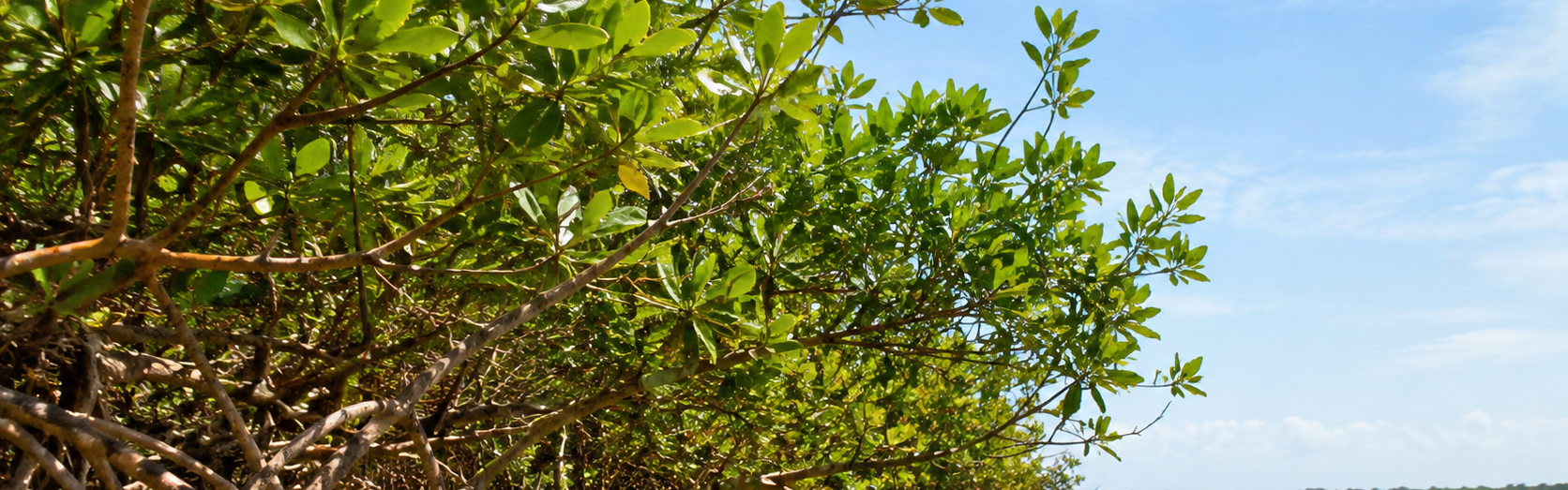
For people who live alongside mangrove forests, the Ocean doesn’t begin at the shoreline. It begins in the muddy, tangled roots where fresh water meets salt, where young fish and crabs find shelter, and where plastic waste and persistent organic pollutants (POPs) tend to build up. These pollutants threaten the health of the ecosystem and the wellbeing of the communities who depend on it.
The Rights of Nature movement invites us to see ecosystems not as resources to be used, but as living systems with an intrinsic worth and a right to exist and thrive. I believe mangroves are the best place to bring that idea to life. Mangroves are living thresholds between land and sea, and they offer a natural starting point for informal education that helps people, especially young people, step beyond a human-centred view of the Ocean. The approach is simple: let people experience first, and talk about regulations later. Walking through the mangroves, tracking mud crabs and joining community patrols to monitor the health of these important spaces will build a genuine understanding of how everything is connected. By the time rights of nature enters the conversation, it feels less like abstract policy and more like a relationship people already know and care about - and want to protect for their livelihoods.
The good news is that this approach can travel. Engaging from the foundation of a tailored toolkit that coastal communities can adapt, including mangrove apprenticeships, citizen science for tracking pollution, storytelling circles rooted in local beliefs and traditions, and youth leadership strategies. Each one nurtures knowledge, confidence and a sense of kinship with the ecosystem, so that advocacy grows naturally from belonging.
It is also important to analyse systems to include practical policy recommendations for weaving mangrove-based, pollution-aware education into local and national law, so that the Rights of
|