
Intercultural Communication Workshop
- Level 2: Intermediate activities
- group projects and collaborative activities
- Interpersonal relations Skills
- Interpersonal relations techniques
- General Communication Skills
- General Communication techniques
- Public Speaking Skills
- Public Speaking techniques
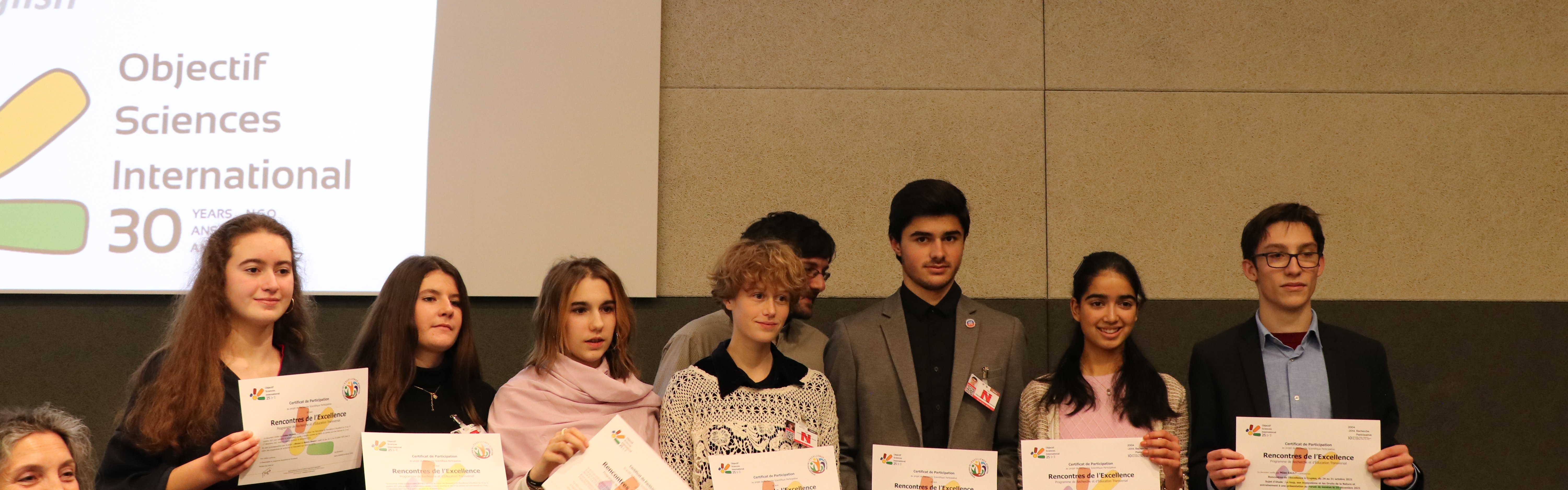
This workshop is designed to help participants develop intercultural communication skills, which are essential in an increasingly globalized world. Participants will learn to recognize and overcome cultural barriers, adopt respectful and inclusive attitudes, and adapt their communication based on cultural differences. These skills are particularly important in international environments, such as youth forums, UN simulations, or global professional contexts, where effective intercultural communication is crucial for collaboration and mutual understanding.
|
Importance of the topic
Intercultural communication is a key skill for navigating international and multicultural environments. Understanding and respecting cultural differences not only facilitates collaboration but also helps avoid potential misunderstandings and conflicts. In contexts such as youth forums, UN simulations, or international business, effective intercultural communication is essential for establishing positive and productive relationships and succeeding in global projects.
Step-by-step guide
1. Understanding cultural differences
Learn to identify and understand cultural differences:
– Cultural research: Educate yourself about the cultures you will be interacting with.
– Recognizing stereotypes: Be aware of stereotypes and avoid applying them broadly.
– Respecting customs: Learn to respect the customs, values, and beliefs of other cultures.
2. Intercultural communication techniques
Learn strategies to communicate effectively across cultures:
– Language adaptation: Adjust your verbal and non-verbal language to be more understandable and respectful.
– Active listening: Practice active listening to better understand others’ cultural perspectives.
– Clarifying misunderstandings: Don’t hesitate to ask questions to clarify misunderstandings due to cultural differences.
3. Practicing and integrating intercultural skills
Learn how to integrate intercultural communication into your daily life:
– Participation in multicultural activities: Engage in multicultural events or groups to practice your skills.
– Feedback and improvement: Seek feedback on your intercultural communication and strive for continuous improvement.
– Cultural mediation: Act as a mediator in situations where cultural misunderstandings may arise.
Opening up possibilities and going further
– Participate in advanced training or workshops on intercultural communication.
– Travel or work abroad to deepen your understanding of different cultures.
– Get involved in international initiatives to practice your intercultural communication skills.
– Share your knowledge by leading workshops on intercultural communication in your community or organization.
|